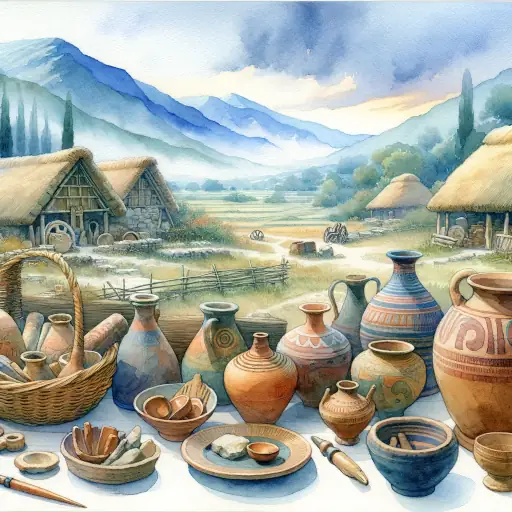
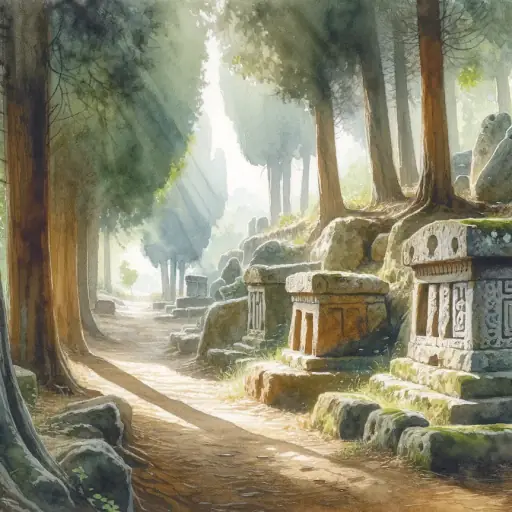
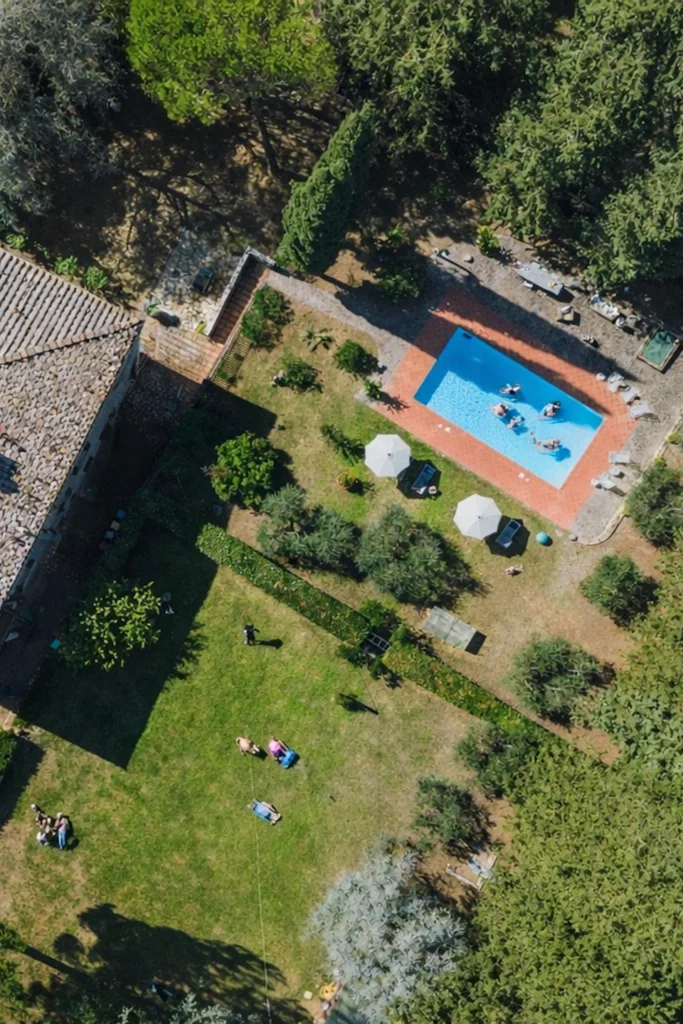
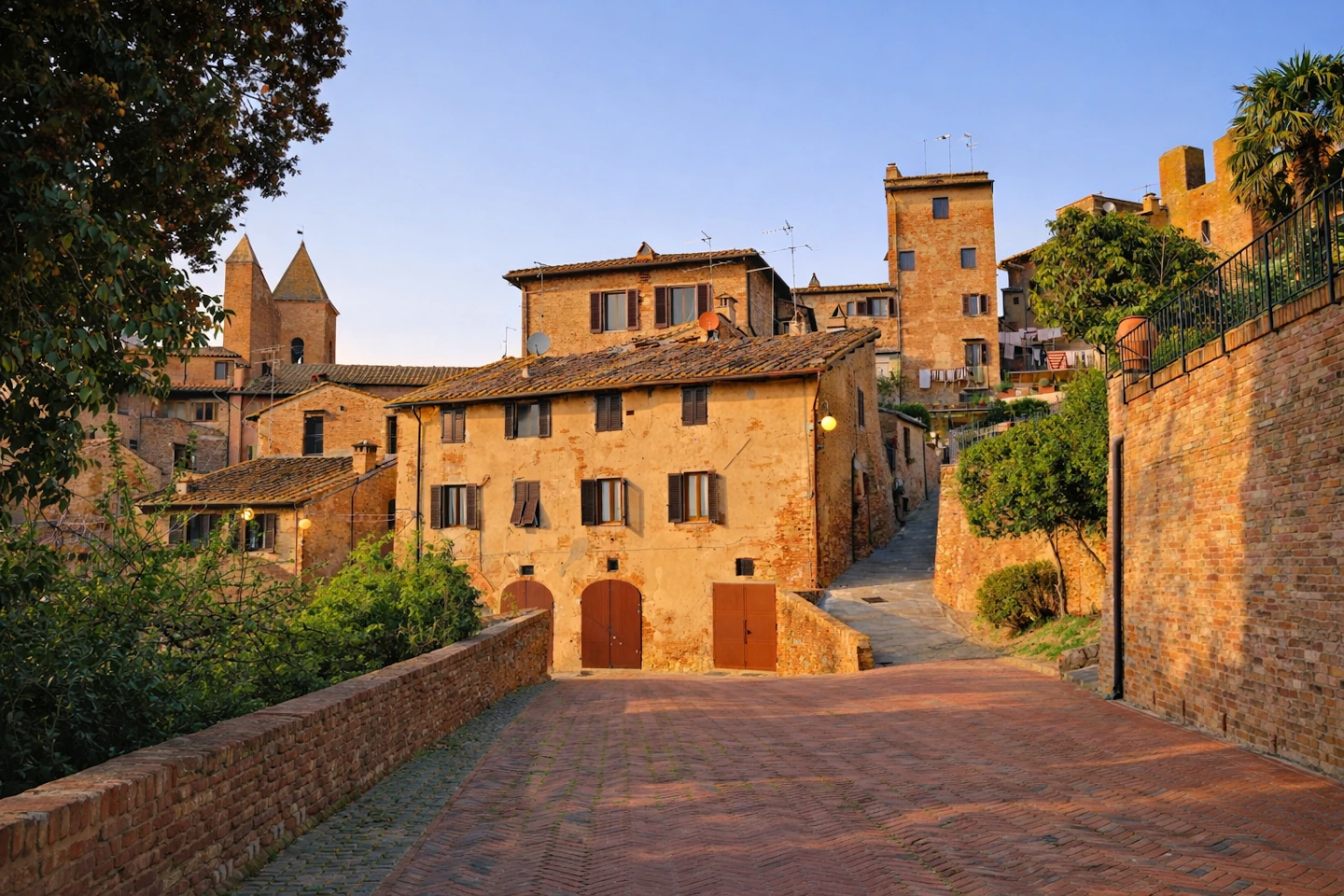
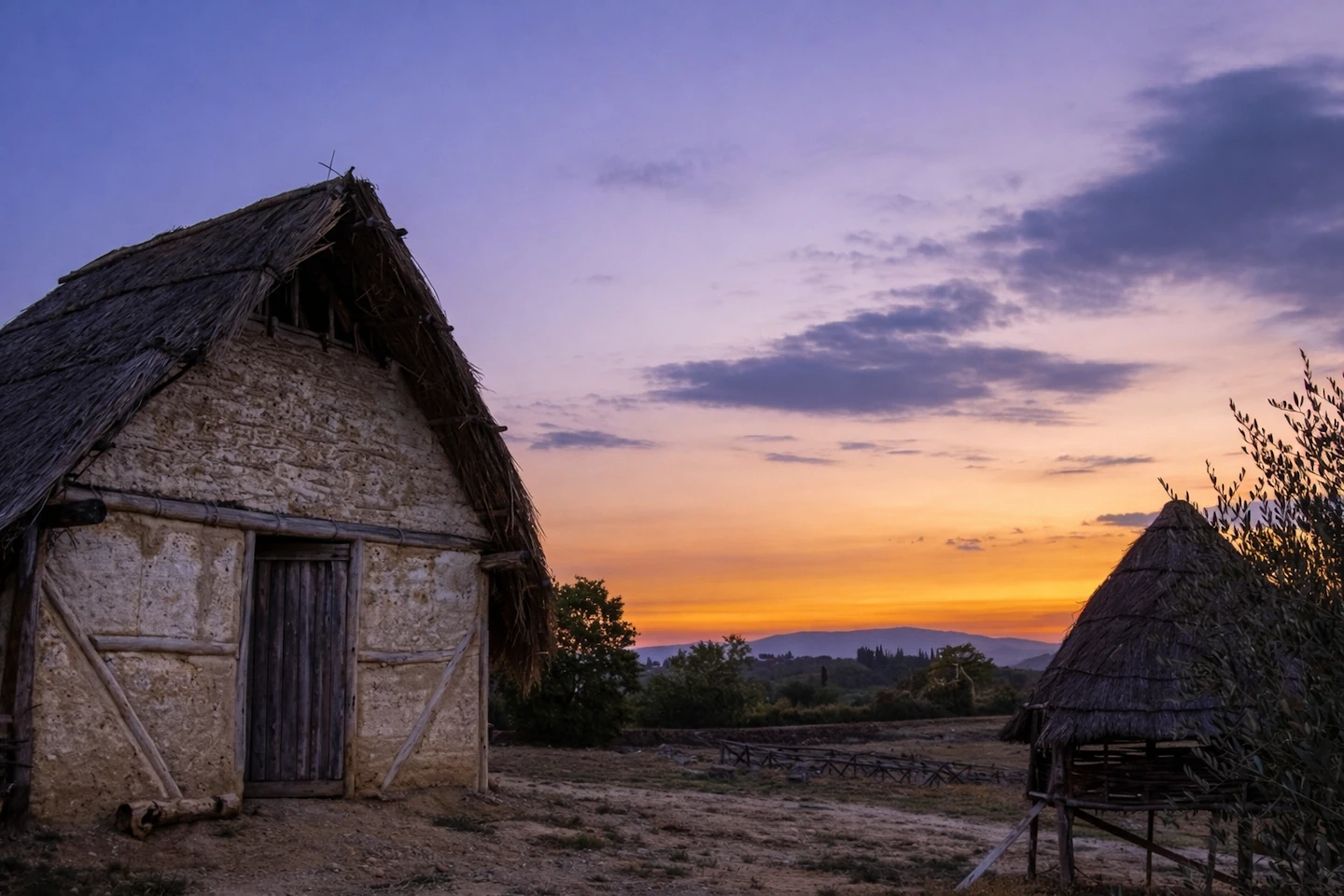
The story of this territory is a captivating journey through history, harmoniously set in the Tuscan landscape. This region, overflowing with historical richness, unveils the legacies of ancient civilizations, evident from Middle Bronze Age artifacts. The Etruscans, famed for their cultural and artistic contributions, have left a clear mark, shaping the initial character of Villa Vianci’s surroundings.
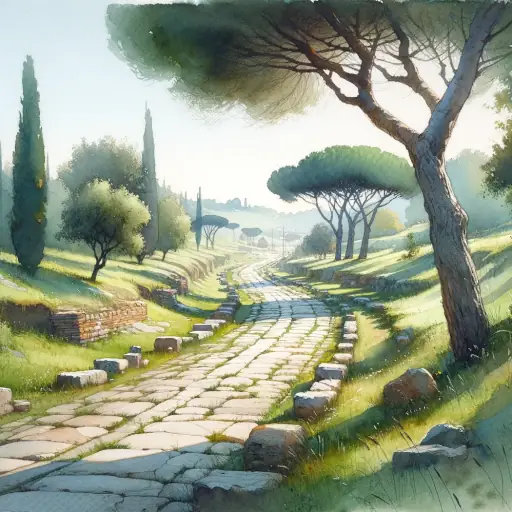
As we move into the Roman era, the importance of this site grows. The construction of Via Cassia, a critical development of that time, established its strategic relevance, facilitating trade, military movements, and cultural exchanges, thereby enriching the region’s development.
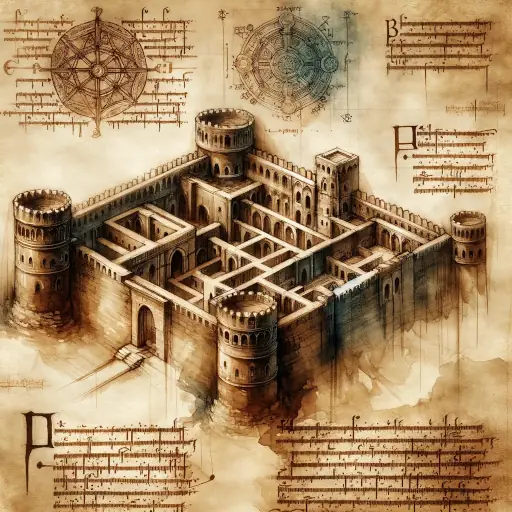
The Middle Ages, characterized by growth and change, added new chapters to this locale’s narrative. Early medieval constructions like Rocca di Staggia and the church of Santa Lucia a Bolsano marked the rise of a strong community. These historical structures stood witness to the shifting fortunes shaped by the course of history.
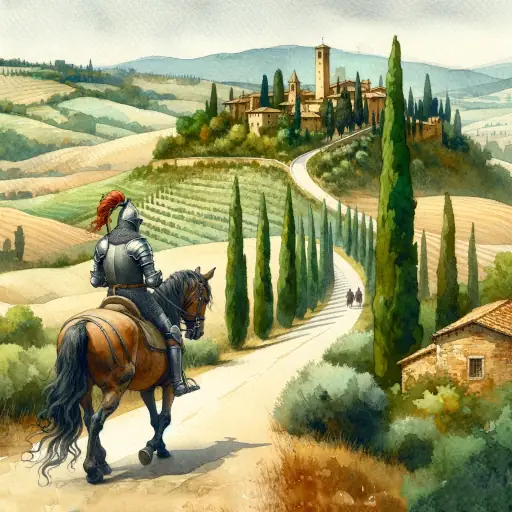
During the medieval period, the Via Francigena emerged as a significant pilgrimage route, weaving through the region where Villa Vianci would eventually be established. This path was not just a route for travel, but a conduit for both cultural and spiritual interactions, giving the region a distinct character. Historical figures, such as Francis I of France, journeyed along this path, their travels contributing to the development of new communities. Along the Via Francigena, numerous buildings and settlements sprang up to accommodate the flow of pilgrims and travelers. It is believed that one of these developments eventually evolved into what is now known as Villa Vianci.
Originally a simple rest stop for pilgrims, the area started to gain historical importance in the 14th and 15th centuries. While the strategic 1381 meeting between Carlo di Durazzo and Sir John Hawkwood occurred at Rocca di Staggia, the hill of Vianci played a role during this time as the site where Carlo assembled his army. This indicates that the area had the capacity to support a military encampment, marking the beginning of its significance in the complex political landscape between Florence and Siena.
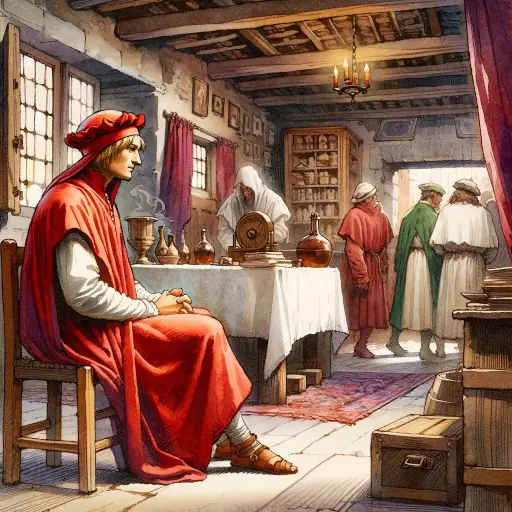
Renowned historical personalities, like Dante Alighieri, visited the region, contributing to its rich cultural landscape. Their impact, along with that of architects like Filippo Brunelleschi, enhanced the cultural fabric of the region. As history unfolded, the villa transitioned from a simple relay point to a landmark of historical relevance.
The decline of Siena’s opposition to Florence, the region around what would become Villa Vianci witnessed decline and depopulation. Notably, Amerigo Vespucci, a future notary, left Staggia for Florence. He was the grandfather of the explorer who named America, this illustrates how significant historical connections can originate from humble beginnings.
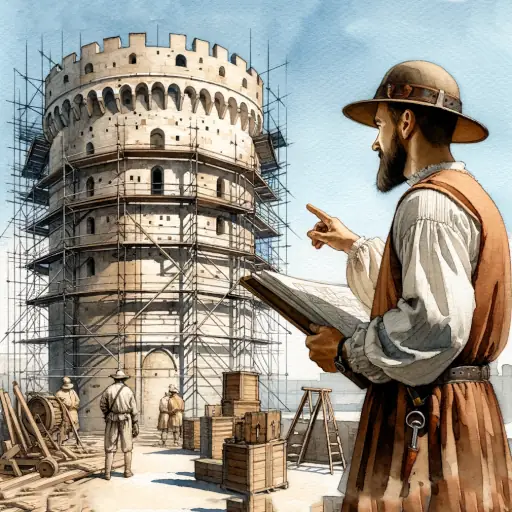
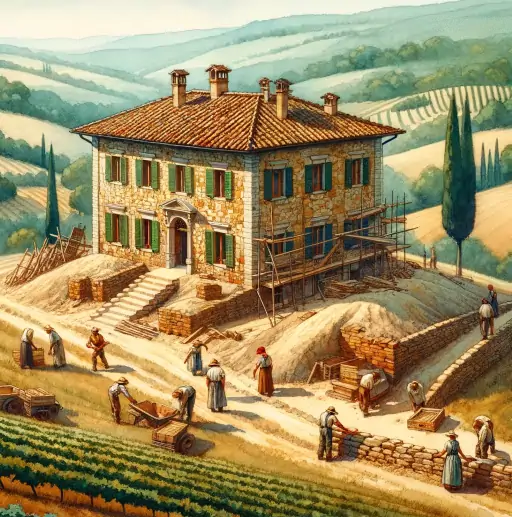
Between the 16th and 18th centuries, the hill was inhabited by monks, who constructed the barn that today stands in front of the villa. As Rocca of Staggia declined, its abandoned materials, especially stones from a tower, were utilized for the first documented building on this site, laying the foundation of Villa Vianci.